AI Search Optimization Services Compared: Agencies vs. DIY Tools vs. Full-Stack Automation (2026)
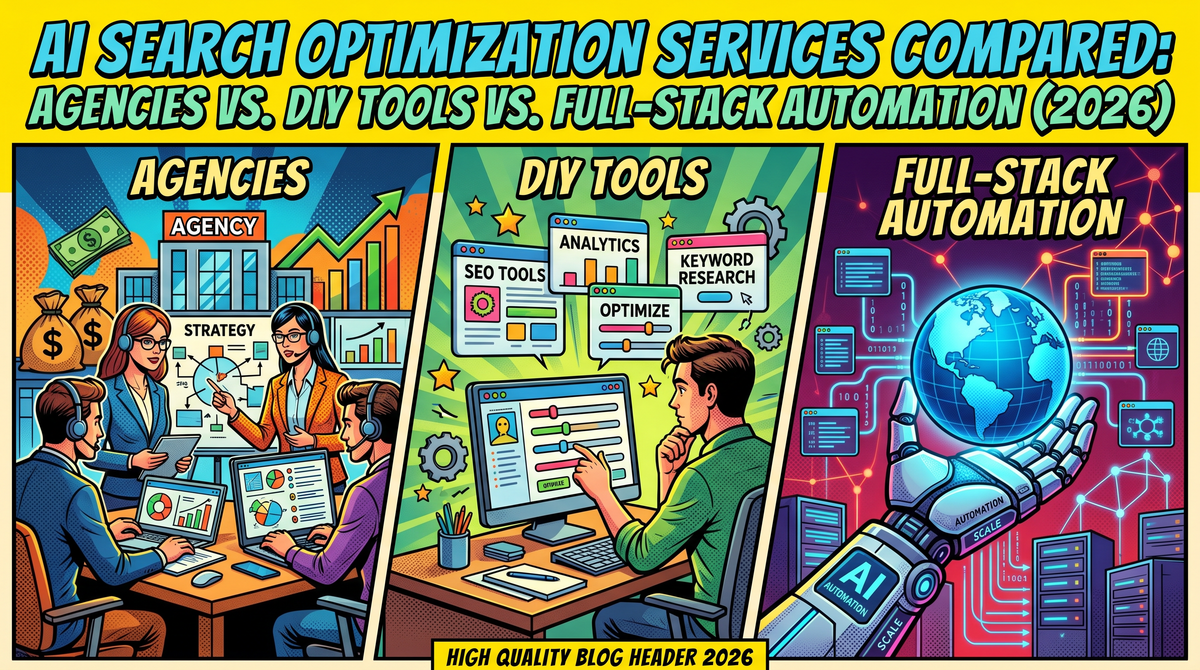
The best AI search optimization service for most small and mid-sized businesses in 2026 is a full-stack automation platform — not a $5,000/month agency retainer or a DIY toolkit that still requires a full-time operator. The three real options on the market are: AI SEO agencies (managed, high-touch, expensive), DIY AI SEO tools (flexible but labor-intensive), and full-stack AI automation platforms (hands-off, consistent, and built for volume). Each wins in specific scenarios, and picking the wrong one is a costly mistake.
Why This Comparison Matters Right Now
Nearly 6 in 10 U.S. Google searches now end without a click, accelerated by Google's AI Overviews reaching more than 2 billion monthly users. That statistic alone should change how you think about your SEO budget. Traditional "rank and click" strategies are eroding. The U.S. generative engine optimization market is projected to reach $365.4 million in 2026 with a 42.9% annual growth rate. This is not a future trend. It is the current battlefield.
The drop in top-10 citation rate from 76% to 38% in AI responses is one of the most strategically important shifts in modern search — ranking on page one of Google is no longer a reliable path to being cited in AI responses. The businesses winning right now are running a dual strategy: traditional organic search combined with deliberate AI citation building. The question is which service type gives you the best shot at executing that dual strategy without burning your entire marketing budget.
Our Methodology: What We Tested and How
We evaluated AI search optimization services across three core criteria:
- Execution depth — Does the service actually do the work, or just hand you recommendations?
- Cost-to-output ratio — How much content and optimization activity does each dollar buy?
- AI citation readiness — Does the service actively optimize for being cited in ChatGPT, Perplexity, Google AI Overviews, and Gemini?
We looked at published pricing data, documented client outcomes, feature sets, and real operator workflows for each service category. No sponsored placements influenced these verdicts.
Strategic insight: "The statistics tell a clear story: visibility inside AI-generated answers is becoming just as important as ranking — and most teams don't yet have a framework for measuring it." — Victor Karpenko, CEO of SeoProfy
The Three Contenders Explained
Contender 1: Full-Service AI SEO Agencies
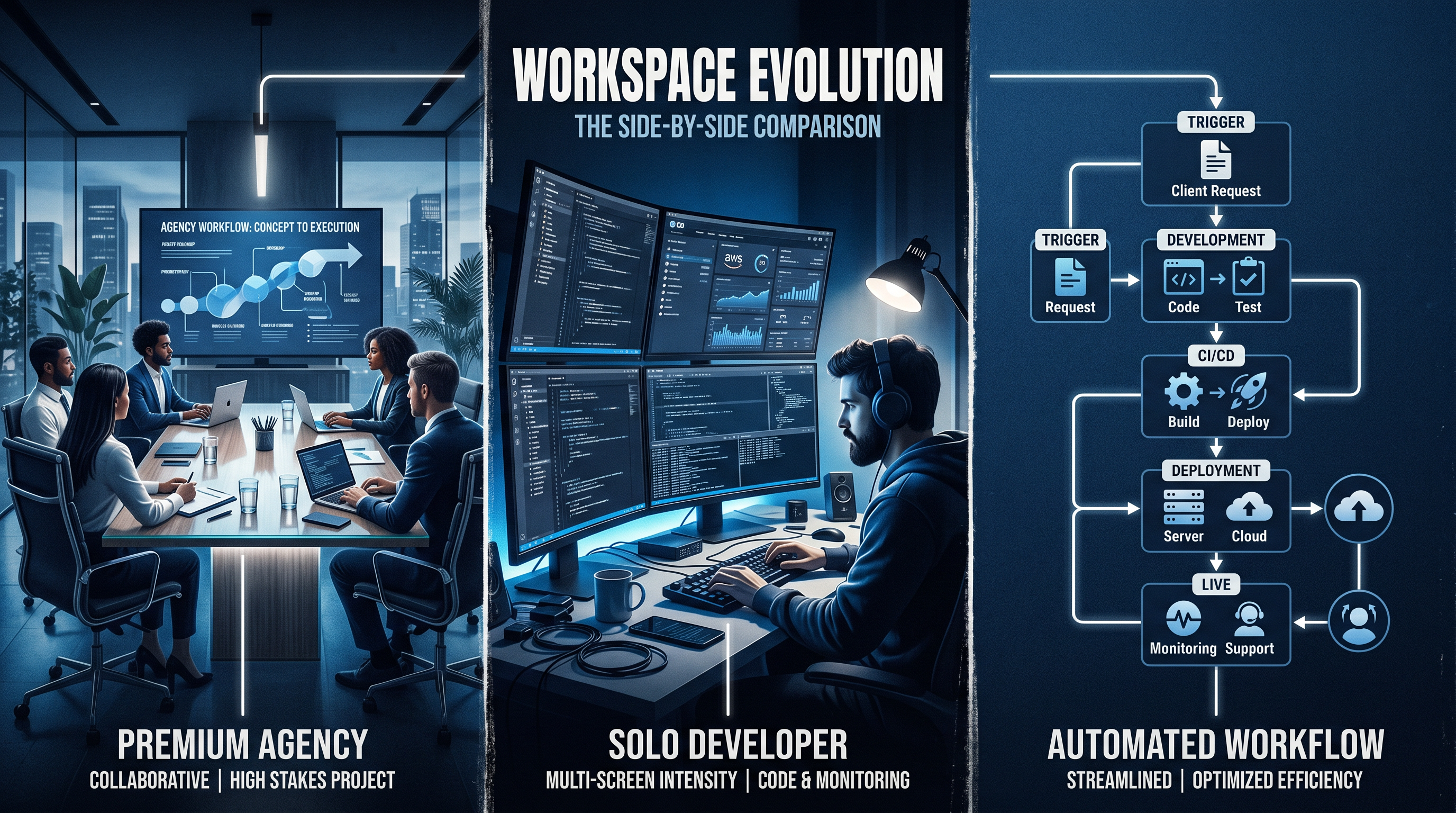
Agencies in 2026 have evolved beyond traditional link-building shops. The best ones now offer GEO (Generative Engine Optimization) and AEO (Answer Engine Optimization) alongside standard technical SEO. Services typically include AI brand visibility audits, content strategy for AEO and GEO, technical implementation with structured data, authority building on sources AI models cite, and ongoing tracking to measure improvement.
The pricing, however, is the gut punch. Entry-level AI visibility audits run $2,000–$5,000 as a one-time engagement. Ongoing AI SEO retainers for SMBs typically start at $3,000–$6,000 per month. Enterprise GEO retainers in competitive categories can run $10,000–$25,000 per month.
Reviewing the landscape of top SEO company tools and services makes one thing clear: agency pricing structures assume you have either deep pockets or a very large revenue base to justify the retainer. For most SaaS founders and SMB owners, that math does not work.
Agency wins when: You operate in a regulated industry (healthcare, finance), need multi-market GEO execution at scale, or require custom compliance workflows that no platform can automate.
Contender 2: DIY AI SEO Tools
This category includes platforms like Surfer SEO, Clearscope, Writesonic, and AIclicks. Teams using AI SEO tools can test, publish, and optimize at a higher frequency — and that frequency is one of the strongest competitive edges you can build. The problem is not the tooling. The problem is the human time they consume.
DIY tools hand you a cockpit. You still have to fly the plane. Keyword research, content briefs, writing, editing, publishing, internal linking, schema markup, AI citation tracking — each task requires a trained operator. For a SaaS founder already managing product, sales, and customer success, this is a hidden tax. The best AI search engine optimization tools available today are genuinely powerful, but power requires a trained hand to wield effectively.
DIY tools win when: You have a dedicated in-house SEO or content team with 10+ hours per week to allocate, or you are an agency building custom workflows for multiple client accounts.
Contender 3: Full-Stack AI Automation Platforms
This is the category most SMBs and SaaS founders actually need. Full-stack platforms handle the entire content pipeline — keyword identification, content generation, optimization, internal linking, and CMS publishing — without requiring human intervention at each step. Platforms like Rankcow sit squarely in this category, identifying high-intent, low-competition keywords and automatically generating, optimizing, and publishing long-form, brand-aligned content directly to your CMS at 30 articles per month.
The automation platform space has matured rapidly in 2026. The key differentiator between platforms is whether they stop at content generation or continue through to publishing, internal linking, and E-E-A-T compliance. Rankcow handles all of the above, including support for 150+ languages and universal webhook integration with WordPress, Webflow, Shopify, Framer, and Notion.
Automation platforms win when: You need consistent publishing velocity without a full content team, want topical authority built systematically, and cannot afford agency-level spend.
Head-to-Head Feature Comparison
| Feature / Capability | AI SEO Agency | DIY AI Tools | Full-Stack Automation (e.g. Rankcow) |
|---|---|---|---|
| Keyword Research | ✅ Expert-led | ✅ Tool-assisted, manual | ✅ Fully automated |
| Content Creation | ✅ Human + AI hybrid | ⚠️ Requires operator | ✅ Fully automated, brand-aligned |
| CMS Publishing | ✅ Managed | ❌ Manual | ✅ Auto-publishes via webhook |
| Internal Linking | ⚠️ Varies by agency | ❌ Manual | ✅ AI-automated |
| GEO / AEO Optimization | ✅ Full-service | ⚠️ Tool-dependent | ✅ E-E-A-T + citation-ready |
| Multi-language Support | ⚠️ Additional cost | ⚠️ Limited | ✅ 150+ languages |
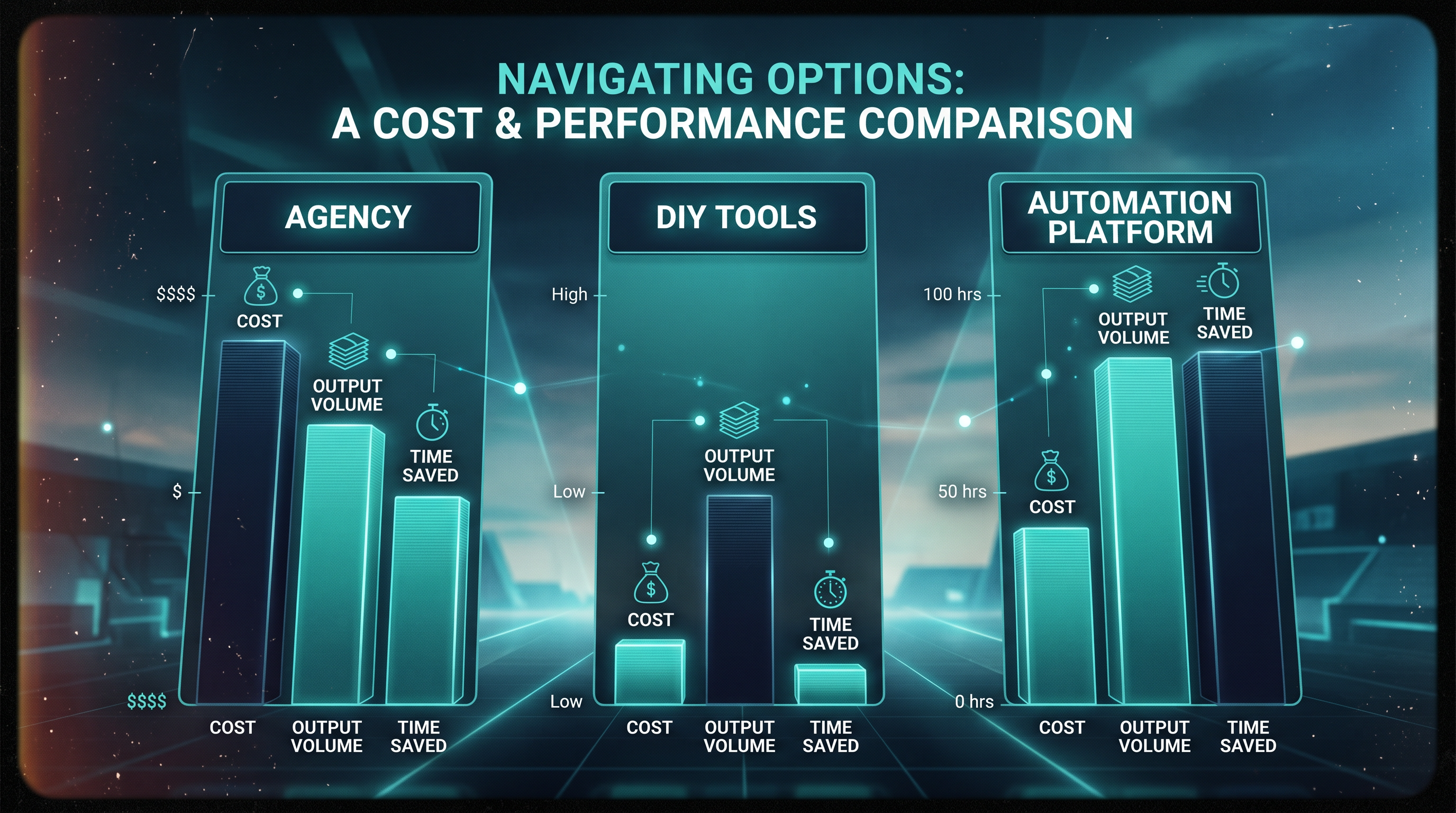
| Monthly Content Volume | 4–12 pieces (typical) | Unlimited (if you operate it) | 30 articles/month (flat) |
| Avg. Monthly Cost | $3,000–$25,000+ | $200–$800 (tools only) | Flat subscription rate |
| Human Time Required | Low (agency manages) | High (10+ hrs/week) | Very Low (near zero) |
| Verdict Row | Best for enterprise / regulated | Best for in-house SEO teams | Best for SMBs and SaaS founders |
Task vs. Tool Matrix: Which Service Handles What Best
| SEO Task | Best Service Type | Runner-Up |
|---|---|---|
| Technical SEO audit | Agency | DIY Tools |
| High-volume content publishing | Full-Stack Automation | DIY Tools (with team) |
| GEO citation building | Agency | Full-Stack Automation |
| Topical authority building | Full-Stack Automation | Agency |
| Brand-voice-aligned content | Full-Stack Automation | Agency |
| Competitive keyword gap analysis | DIY Tools | Agency |
| Ongoing publishing consistency | Full-Stack Automation | Agency |
| Multi-CMS deployment | Full-Stack Automation | Agency |
Clear Verdicts for Every Scenario
No hedging. Here is where each service type wins outright:
- 🏆 For SaaS founders with no in-house content team: Full-stack automation wins. Period. An effective SaaS SEO strategy requires consistent publishing at scale, something no founder can sustain manually.
- 🏆 For regulated industries (healthcare, finance, legal): Agency wins. You need human compliance review at every step — no platform can substitute for that accountability layer.
- 🏆 For marketing agencies managing multiple client accounts: DIY tools win. The flexibility to build custom workflows per client beats the rigidity of a single-output automation platform.
- 🏆 For bloggers and content-first businesses: Full-stack automation wins. The volume and consistency of 30 articles per month builds topical authority faster than any part-time content effort.
- 🏆 For enterprise brands in competitive verticals: Agency + automation hybrid wins. Use an agency for GEO/AEO strategy and citation engineering, and a platform like Rankcow for the content volume engine underneath it.
We use full-stack automation because the compounding effect of consistent, high-volume publishing outperforms sporadic agency-quality content in topical authority building. You can always layer in agency-grade GEO tactics on top of a solid content foundation — but you cannot layer content volume on top of no foundation at all.
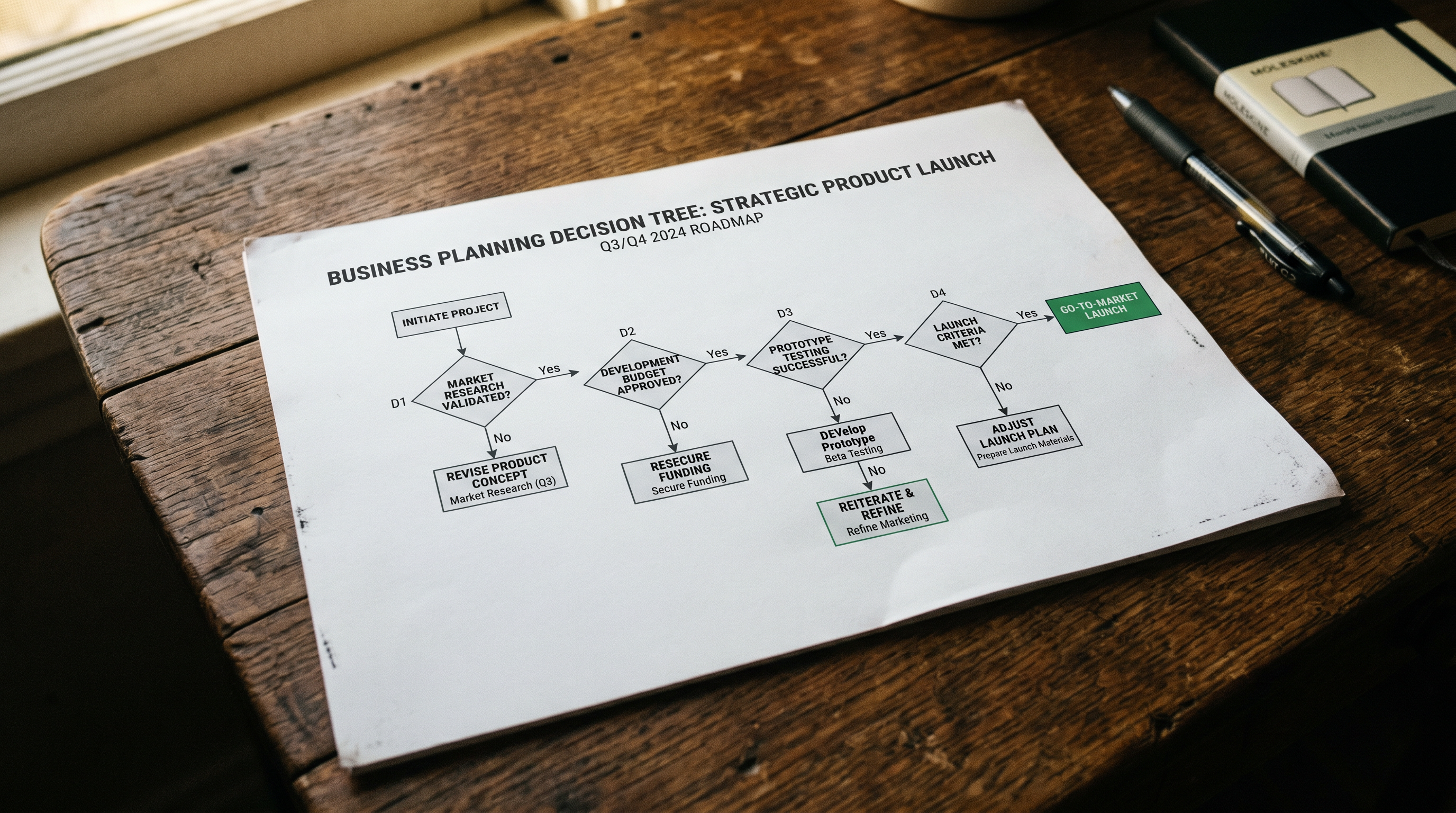
Decision Framework: 4 Questions to Find Your Answer
Run through these four questions in order. Your answer at each gate determines the right service type.
- Do you have a dedicated SEO operator with 10+ hours/week? Yes → DIY tools are viable. No → Skip to question 2.
- Is your budget above $3,000/month for SEO services? Yes → Evaluate agencies. No → Full-stack automation is your category.
- Do you operate in a compliance-sensitive industry? Yes → Agency is mandatory. No → Automation platform + occasional consultant review.
- Do you need 20+ pieces of content published per month? Yes → Full-stack automation is the only realistic answer at scale. No → Any option can serve you.
The Marketing BS Worth Calling Out
The agency world has a habit of selling "AI-powered SEO" as a premium service when the deliverables are often the same content briefs and audit reports they were selling three years ago — now with a ChatGPT wrapper. With GEO still an emerging discipline, it is hard to tell genuine experts from those simply adding "AI" or "GEO" to their pitch deck. Ask any agency you evaluate for documented citation improvement data across specific AI platforms, not just organic traffic charts.
On the DIY tools side, the marketing around "one-click SEO" understates the operator burden significantly. Most GEO tools stop at the dashboard — they hand you a visibility score and a competitor chart, then leave you to figure out the "now what." That gap between insight and execution is where most SMBs stall.
Understanding what goes into strong AI-assisted content writing for SEO reveals just how many steps sit between "tool recommendation" and "published, ranking content." Automation platforms that close that gap end-to-end are not cutting corners — they are removing the friction that kills most content programs before they gain momentum.
How to Use These Findings
Start with an honest audit of your internal resources. Most businesses overestimate how much SEO work they can sustain in-house and underestimate how much consistent publishing volume matters for topical authority. AI-driven SEO can boost organic traffic by 45% and conversion rates by 38% for e-commerce websites — but only when consistently applied over time, not in burst campaigns.
If you are a SaaS founder or SMB owner reading this, the honest answer is: pick the service type that matches your real operational capacity, not the one that sounds most sophisticated. A full-stack automation platform publishing 30 well-optimized articles per month will outperform a manually-operated toolkit publishing 4 articles per month in 6 months or less.
Frequently Asked Questions
What is the difference between AEO and GEO in AI search optimization services?
AEO (Answer Engine Optimization) focuses on structuring your on-page content so AI platforms can extract clean, direct answers from your pages — think FAQ schemas, structured data, and answer-first formatting. GEO (Generative Engine Optimization) is broader: it targets how often your brand is cited in AI-generated responses by building external authority, getting mentioned on sources AI models already trust, and engineering content that LLMs prefer to quote. Most AI search optimization services in 2026 offer some combination of both, though agency-level services typically go deeper on GEO.
How quickly can AI search optimization services produce measurable results?
Most businesses see initial improvements in AI citations within 30–60 days, with significant visibility gains by 90 days. Results depend on your starting point, content quality, and how consistently you optimize. For traditional organic search rankings, full-stack automation platforms tend to show compounding traffic gains between months 3 and 6, as topical authority builds across a cluster of published articles. Agencies with an established citation strategy can move faster on the GEO side if they have existing publisher relationships.
Can I use a full-stack automation platform and still optimize for AI citations?
Yes, and this is increasingly the recommended stack for SMBs in 2026. A platform like Rankcow handles the content volume and E-E-A-T compliance that forms the foundation for AI citations, while you layer in specific GEO tactics (structured data, FAQ schema, llms.txt configuration) either manually or with a freelance consultant. You need structured data that AI models can parse, E-E-A-T signals that build trust, and content formatted specifically for how LLMs retrieve information — and a high-output automation platform is the fastest way to build that foundation at scale.
How do I know if an AI SEO agency is actually qualified for GEO?
Ask for three things before signing a retainer: (1) a documented citation tracking methodology across at least three AI platforms (ChatGPT, Perplexity, Google AI Overviews), (2) a case study showing citation frequency improvement over a 90-day period with baseline and endpoint data, and (3) evidence of a published AI search framework — not just a service description. In the first 90 days, a qualified AI search strategy agency should deliver a baseline AI brand visibility audit, prompt research, technical audit, a content roadmap, and at least 3–4 published pages with citation tracking in place. Any agency that cannot commit to those deliverables in 90 days is not moving fast enough.
Is the AI SEO tools market growing fast enough to justify investment now?
The AI SEO tools market will grow from $1.2 billion in 2024 to $4.5 billion by 2033, at a CAGR of 15.2%. The market is not speculative — it is already generating billions in annual revenue and growing at a rate that makes early adoption a structural advantage. Early adopters benefit from lower citation competition and higher citation rates, meaning the businesses that build AI visibility now will be significantly harder to displace by 2027 and beyond.
Rankcow takes the full-stack automation approach described in this guide and turns it into a hands-off growth engine — identifying high-intent keywords, generating brand-aligned long-form content, and publishing directly to your CMS at 30 articles per month, all at a flat subscription rate. With an 8.4x average traffic lift across 1,000+ customer sites and support for 150+ languages, it is the operational alternative to expensive agency retainers and time-consuming DIY workflows. Start your content engine at Rankcow.com.